
1.Why Professional Video Editing Matters for Your Brand
In today’s fast-paced digital landscape, video content has become the foundation of modern marketing. From social media campaigns and product demonstrations to corporate presentations and customer testimonials, businesses are using video to connect with audiences, build trust, and drive growth. However, creating a video is only half the process. The true value of video content lies in how effectively it is edited.
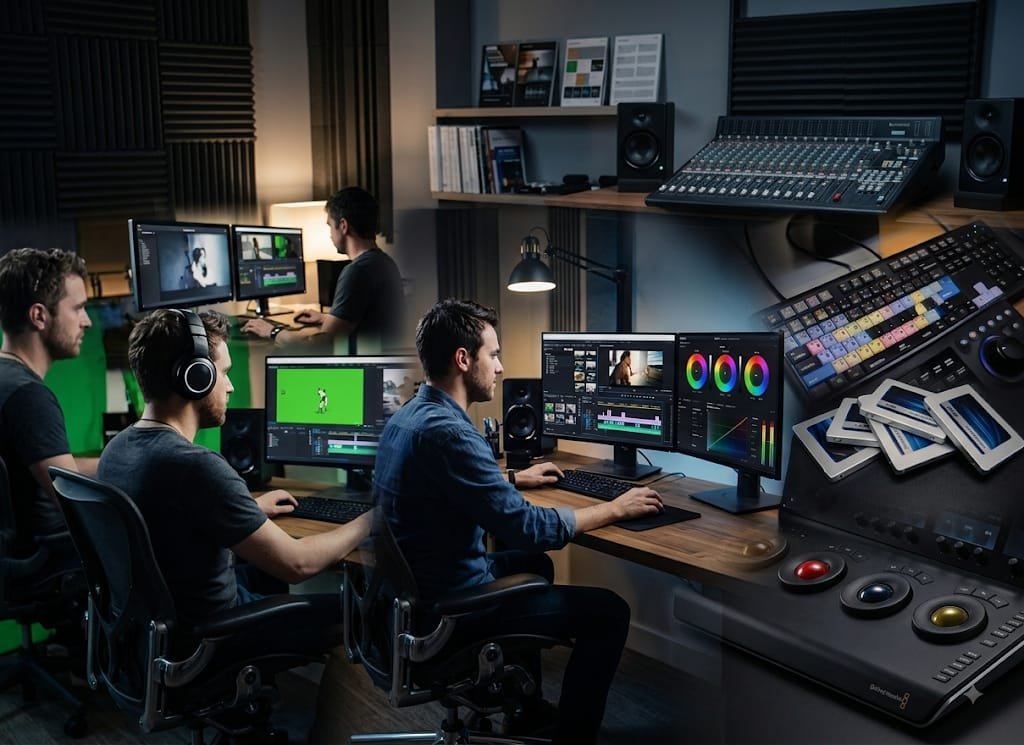
Professional video editing is the process of transforming raw footage into a compelling visual story that captures attention and delivers a clear message. It involves refining content through precise cuts, smooth transitions, color correction, audio enhancement, motion graphics, and strategic pacing. These elements work together to create a polished final product that reflects the quality and professionalism of a brand.
2. Five Video Editing Mistakes That Make Content Look Unprofessional
Creating a video is easier than ever, but creating a professional-looking video requires more than just recording footage and putting clips together. Video editing plays a crucial role in how viewers perceive your content and your brand. Even great footage can lose its impact if it is edited poorly. Whether you are a content creator, business owner, or marketer, avoiding common editing mistakes can significantly improve the quality of your videos.
1. Using Too Many Effects and Transitions
One of the most common mistakes beginners make is overusing effects, animations, and transitions. While these features can make a video more engaging, excessive use often creates distractions and makes the content look unprofessional. Flashy transitions, unnecessary zoom effects, and random animations can take attention away from the message. Professional editors use effects strategically to enhance storytelling rather than dominate it.
2. Poor Audio Quality
Many creators focus heavily on visuals while ignoring audio quality. However, viewers are often more likely to leave a video because of poor sound than average visuals. Background noise, uneven volume levels, echo, or unclear voice recordings can negatively affect the viewing experience. Clean audio, balanced sound levels, and appropriate background music help create a polished and professional result.
3. Inconsistent Color and Visual Style
Consistency is essential for professional content. Videos that have different color tones, lighting conditions, or visual styles from one scene to another can feel disconnected and confusing. Color correction and color grading help create a consistent look throughout the video. Maintaining the same visual identity also strengthens brand recognition and improves overall quality.
4. Poor Pacing and Unnecessary Footage
Keeping viewers engaged requires proper pacing. Videos that contain long pauses, repetitive scenes, or unnecessary clips often lose audience attention quickly. Every second of a video should serve a purpose. Professional editing removes distractions and keeps the content focused, helping viewers stay interested from beginning to end.
5. Ignoring Captions and Graphics
In today’s digital environment, many people watch videos without sound, especially on social media platforms. Videos that lack captions can miss a large portion of potential viewers. Similarly, poorly designed graphics or missing visual elements can reduce clarity and engagement. Well-designed captions, titles, and motion graphics help communicate information more effectively and make content accessible to a wider audience.
Final Thoughts
Professional video editing is not only about making content look attractive—it is about creating a smooth and engaging experience for viewers. Avoiding common mistakes such as excessive effects, poor audio, inconsistent visuals, weak pacing, and missing captions can dramatically improve the quality of your content.
By focusing on clean editing, strong storytelling, and a consistent visual style, brands and creators can produce videos that build trust, capture attention, and leave a lasting impression on their audience.